

CALL US NOW!
817-779-8006
CALL US NOW!
817-779-8006
Essential Steps: How to Clean a Pool Pump Filter
Ever stared at your murky pool water and thought, “There’s got to be a way to get this crystal clear again?”
You’re not alone. And I’m here with good news – it’s all about knowing how to clean a pool pump filter.
I remember the first time I looked into my own cloudy pool. It was like peering into a swamp, certainly not inviting for that cool summer dip.
A friend pointed out the problem – the overlooked hero of our pools: The Filter!
Cleaning it felt like an unsolvable puzzle until I found out how simple it could really be. Just as easily as we rinse off after dipping in muddy waters, so can we cleanse our filters.
Let’s take the plunge together, no pun intended, into this comprehensive guide on mastering your filter.
Understanding Pool Filters and Their Types
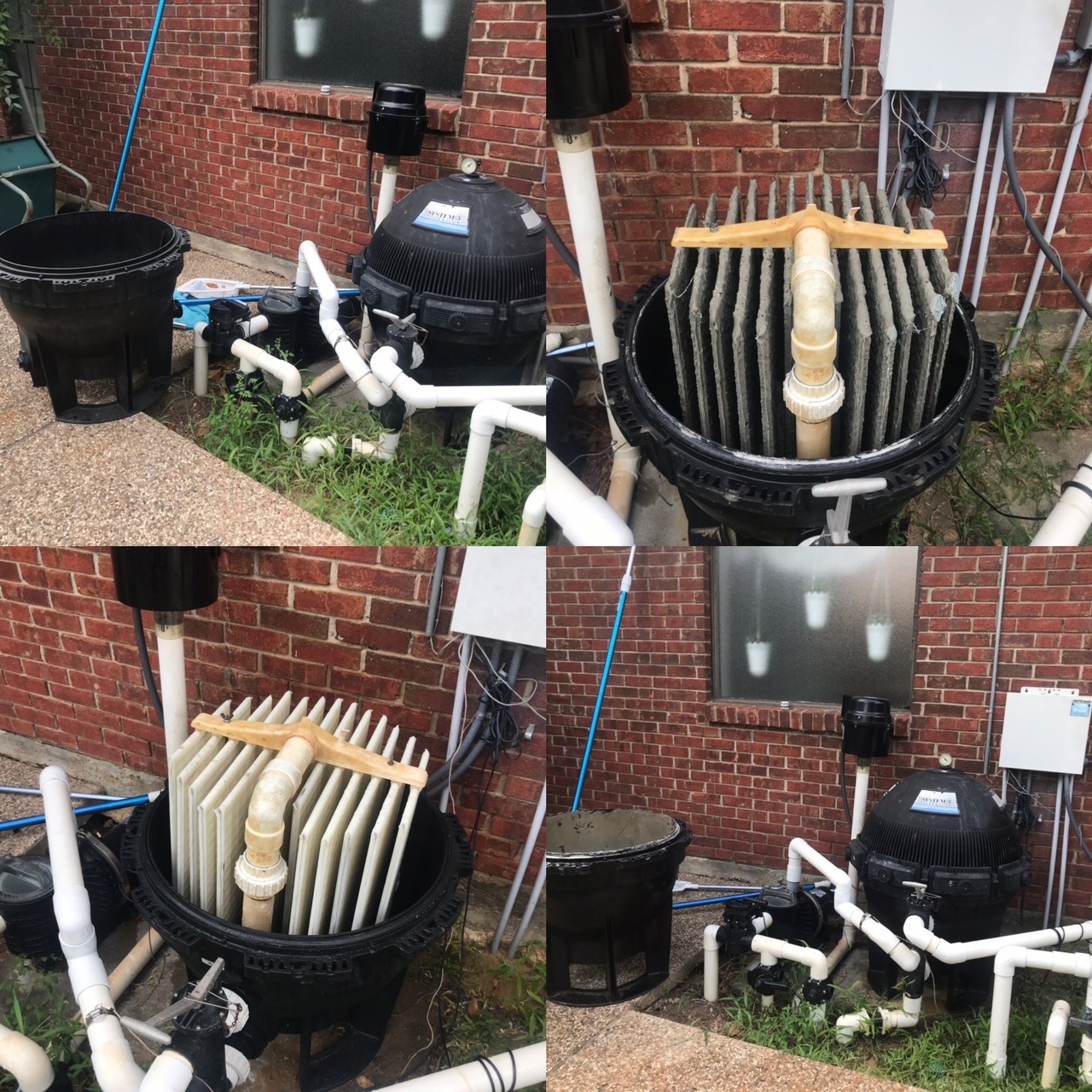
Your pool’s cleanliness relies heavily on its filter system. There are three main types: sand filters, cartridge filters, and DE (diatomaceous earth) filters.
The Functionality and Maintenance of Sand Filters
Sand filters use a special type of sand to trap debris as water passes through. They’re cost-effective but might need a filter aid for smaller particles.
Cleaning involves backwashing or reversing the water flow to flush out dirt. It’s easy but frequent, making it less energy-efficient compared to other types.
Exploring Cartridge Filters
Cartridge filters, meanwhile, capture debris within their fabric material folds – no backwashing needed. This feature makes them more eco-friendly since they save water.
To clean these green warriors? Just remove the cartridges and rinse off with your garden hose.
Unpacking Diatomaceous Earth (DE) Filters
Last up is the cream-of-the-crop – Diatomaceous Earth (DE). These luxury items can screen even microscopically small pollutants due to their grid coated in diatomaceous earth powder—a white powdery substance made from fossilized aquatic organisms.
How to Clean a Pool Pump Filter
Cleaning your pool pump filter is not as daunting as it may seem. Let’s discuss the details of how to clean your pool pump filter.
Cleaning Process for Sand Filters
Sand filters need backwashing and chemical cleaning. To start, set your filter valve handle to ‘Backwash’, then let the water run until clear from the sight glass or drain outlet.
Next, apply Sand Filter Revitalizer, which will clean and unclog sand particles effectively. Remember to always follow manufacturer’s instructions while using any chemicals.
Maintaining Cartridge Filters
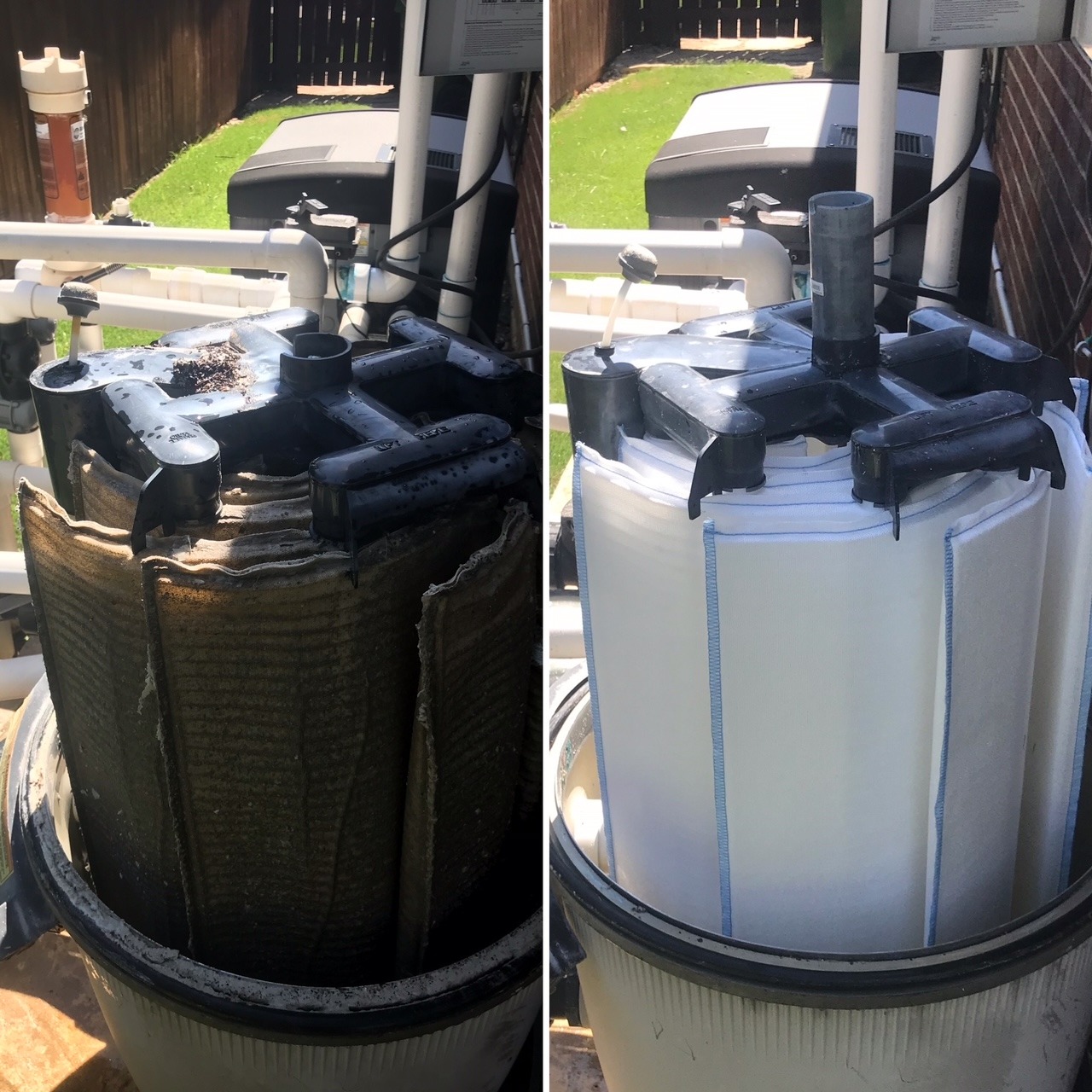
Cartridge filters require regular inspection and cleaning too. Start by removing cartridges gently from their housing; use a garden hose spray nozzle with moderate pressure (not a pressure washer) to remove dirt off them.
After rinsing thoroughly, soak cartridge in a large bucket filled with an equal mixture of water and muriatic acid solution – wear safety goggles & acid-resistant gloves during this process.
Caring for Diatomaceous Earth (DE) Filters
Last but certainly not least are DE filters. These bad boys work wonders when maintained properly – firstly release air through relief valve, followed by backwashing till waste-water runs clear.
After that add fresh diatomaceous earth via skimmer according manufacturers recommendations keeping check on starting pressure at gauge level.
You might also want to give the entire tank good scrubbing periodically make sure there no trapped debris left inside filter elements.
Frequent Cleaning of Pool Pump Filter
Regular filter maintenance is key to keep your pool crystal clear and healthy. But, how often should you clean your pool pump filter? Asking how often you should clean your pool pump filter is not a straightforward answer – there are factors that can affect it.
Pool water quality and usage can influence the cleaning frequency of your pool pump filter. Generally speaking, every 1 to 3 weeks is recommended. If you’re hosting lots of splashy parties or dealing with extreme weather conditions (like those summer dust storms), more frequent cleaning may be necessary.
The Pressure Gauge Is Your Friend
The pressure gauge on top of the filter tank will let you know when it’s time for some TLC. A reading above normal operating levels means dirt has accumulated in the filters reducing water flow; hence, the need for a good scrub-down.
Maintaining Cartridge Filters
Cleaning cartridge filters involves removing them from their housing and using a garden hose spray nozzle to wash off debris trapped between pleats. Be sure not to just focus on big stuff – small particles can also clog up the works. It might seem tedious, but believe me: regular attention keeps things running smoothly over time while improving overall performance significantly.
Effective Cleaning Solutions for Pool Filters
Keeping your pool filters clean is crucial to maintaining the water quality. But what solutions should you use to soak and clean them? Here’s some guidance.
The cleaning solution largely depends on the type of filter: sand, cartridge, or diatomaceous earth (DE). Sand filters usually require backwashing with water while DE filters need a fresh coat of diatomaceous earth.
Cleaning Cartridge Filters
To get your cartridge filter spick-and-span, start by removing it from its housing. Use a garden hose spray nozzle to wash off debris. If stubborn grime persists, soak the filter in a bucket filled with 1 part muriatic acid and 20 parts water – but remember safety first. Always wear safety goggles and acid-resistant gloves when handling muriatic acid.
Solutions for DE and Sand Filters
For both DE and sand filters, you’ll want to backwash them using just plain old pool water. You can then recharge your DE filter using more diatomaceous earth – about one pound per ten square feet is standard.
In all cases though, consult your owner’s manual before proceeding as different manufacturers may have unique instructions. Happy cleaning.
Tackling Cloudy Pool Cartridge Filter
Cloudiness in your pool water is often a sign that the cartridge filter needs attention. But don’t worry, with a few steps you can get back to clear waters.
Identifying The Issue
If your pool water is cloudy, hazy, or even greenish – it’s time for action. It means there are tiny particles escaping filtration due to issues with the cartridge filter.
A common cause could be excessive calcium buildup on cartridges making them less efficient at trapping debris. Also check if they’re worn out and need replacement.
Cleaning Process For Clear Waters
To start cleaning, first turn off the pump and release air from the relief valve to avoid pressure build-up inside the tank.
The next step involves removing and rinsing off loose dirt using a garden hose spray nozzle or pressure washer at low settings. Remember not to use high-pressure as it might damage filters.
If rinsing doesn’t work well enough, consider soaking your cartridges overnight in an alkaline solution made of one part muriatic acid mixed into twenty parts water (wear safety goggles).
| Action | Solution Ratio |
|---|---|
| Rinsing With Water Spray Nozzle Or Pressure Washer At Low Settings: | N/A (Water Only) |
| Soaking In Alkaline Solution Overnight: | Mix One Part Muriatic Acid Into Twenty Parts Water |
Adhere to the manufacturer’s directions for optimal results. Regular upkeep of your equipment can prove beneficial in the long term, both economically and time-wise.
The Use of Dish Soap in Cleaning Pool Cartridge Filter
Can you use dish soap to clean a pool cartridge filter?
The reply is affirmative, though not necessarily the most suitable selection. Let me explain why.
Dish soap can indeed help remove dirt and grime from your pool cartridge filter. It cuts through grease effectively, just like when washing dishes. Using dish soap on your pool filter might not be the best idea; it could have some drawbacks.
One issue with using dish soap is that it might cause excessive foaming in your pool water if not rinsed thoroughly. This isn’t something we want to see during our afternoon swim. Another point worth noting: Some soaps contain phosphates which can promote algae growth—a nightmare for any pool owner.
Rinsing and Reassembling After Using Dish Soap
If you decide to use dish soap for cleaning, rinse the cartridges meticulously under running water until all suds are gone before reassembly into the filter tank.
You may find a filter cleaner solution, designed specifically for this task more effective though, as these solutions target common contaminants found on filters without leaving unwanted residues or promoting algae growth.
Conclusion on Dish Soap
In conclusion: Yes—you could use dish soap to clean your cartridge filters—but consider specialized cleaners instead because they’re formulated explicitly for pools and have fewer drawbacks than household detergents.
Remember—keeping that pump filter pristine means clear, sparkling waters ready whenever you fancy taking a dip.
Cleansing Algae from Pool Pump Filter
Algae in your pool can be a pesky problem. But, if it’s found its way into your pump filter, we’ve got you covered.
Here are some steps to help clean a pool pump filter with algae.
The Preliminary Rinse
To start off, remove the cartridges and give them an initial rinse using a garden hose spray nozzle. This helps dislodge any loose algae and other debris before deep cleaning begins.
Prepare Your Cleaning Solution
A solution of water and muriatic acid is often effective against stubborn algae buildup on cartridge filters. Always remember to wear safety goggles and acid-resistant gloves while handling this mixture as per manufacturer’s recommendations.
Soak the Cartridges
Submerge the filter cartridges completely in this cleaning solution for at least 12 hours or overnight if possible. Make sure all parts of the cartridge come into contact with the cleaner to effectively break down any remaining traces of algae growth.
Rinse Again & Dry
Once soaked, thoroughly rinse again using a garden hose attachment until no sign of green tinge remains on cartridges; then let them dry naturally under the sun before reinstalling back into their slots within the pump housing unit, making sure they’re securely fitted in place, thereby ensuring optimal performance during normal operating conditions. If followed properly, these methods should result not just in clear filters but better overall water quality too.
Maintaining Cleanliness of Pool Pump Filter
Whether you’re dealing with a sand pool filter or diatomaceous earth filters, the cleaning process is similar.
To maintain cleanliness, start by monitoring the filter pressure gauge regularly. An increase in pressure indicates that it’s time to clean your filter cartridges. A quick check of the owner’s manual will give you specifics about normal operating pressures for your particular model.
If algae are present in your pool pump, ensure you use a quality algaecide from a local pool store or just give us a call. Remember though: Prevention is better than cure. Regular maintenance and keeping an eye on water level can help avoid such problems.
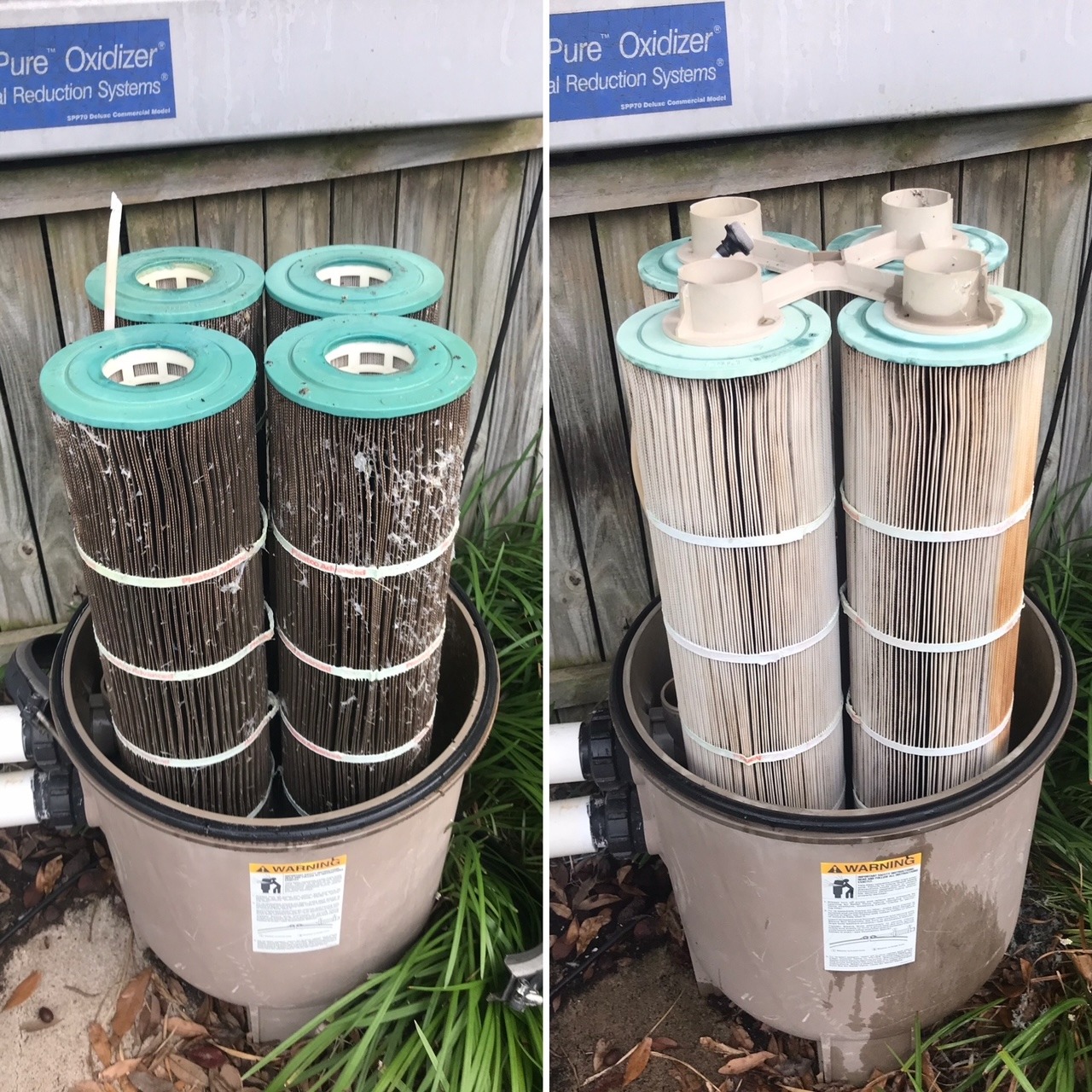
Cleaning cartridge filters involves removing them and spraying down each one with a garden hose spray nozzle until they’re free from debris.
For those who have sand or DE filters, backwashing followed by rinsing should be done at least every month based on usage and manufacturer recommendations.
Effective Cleaning Solutions for Filters
You may wonder if household items like dish soap could be used as an alternative cleaner? Well yes. But make sure not to overdo it as excessive foam might affect water quality.
A soak overnight in muriatic acid solution helps dissolve mineral deposits but remember always wear safety goggles while handling acids.
Troubleshooting Common Issues
At times even after rigorous cleaning efforts cloudy issues persist; don’t worry we got some tricks up our sleeves. Consider using giving us a call so we can use our premium range of products and services specially designed for such issues.
Remember to keep the filter pressure gauge in check and clean filters regularly for optimum performance.
Troubleshooting Common Pool Pump Filter Issues
When it comes to maintaining a clean pool, your pump filter is your best friend. But like all friends, they can sometimes give you a bit of trouble. Let’s address some of the typical problems and their solutions.
Pump Not Priming Properly
If the pool pump isn’t priming properly, check for air leaks in the suction line or water level being too low. Make sure to top off the water if needed and tighten any loose connections.
Low Water Flow Rate
A reduced flow rate could be due to clogged impellers or an old filter cartridge that needs replacement. Regular cleaning helps prevent these problems but if they persist, consider reaching out for professional help.
Noisy Pump Operation
An unusually noisy pump may indicate worn-out bearings which need replacing – not something you should ignore as it might lead to more serious damages down the road.
Inconsistent Pressure Readings on Gauge
Varying pressure readings often mean there’s dirt buildup within the system or blockage somewhere along your pipeline – time for some good ol’ fashioned troubleshooting. Cleaning filters regularly will help keep this problem at bay.
Improving Pool Water Quality
Having a crystal-clear pool isn’t just about aesthetics. Maintaining a healthy and safe swimming environment is paramount. Keeping your pool filter clear of dirt is an essential part of this process.
The Importance of Clean Filters for Pool Water Quality
Your pool filter plays a critical role in maintaining water quality by trapping debris, which could otherwise make your pool water murky or even unhealthy to swim in.
A dirty filter won’t function effectively, leading to poor water circulation and filtration. This can cause cloudiness, green tints from algae growth, and other unpleasant issues that may affect swimming enjoyment.
Tips on Enhancing Your Filter Performance
To ensure top-notch performance from your filters:
- Maintain regular cleaning schedules: Cleaning frequency depends on factors like the type of filter you have and how often you use your pool. Typically though, every 1-3 weeks is advisable for most pools under normal operating conditions.
- Frequent checks: Regularly check the pressure gauge on your pump system as high readings might indicate it’s time to clean or replace parts.
- Prompt replacement: If after cleaning cartridge filters are still cloudy, consider replacing them altogether because worn-out cartridges don’t trap debris efficiently anymore.
All these measures will help maintain good flow rate through the filtering system while ensuring all impurities get trapped appropriately – giving you not only clearer but healthier pool water too.
FAQs: How to Clean a Pool Pump Filter
How do I clean my pool pump filter?
Always refer to the manufacturer’s instructions for specifics. We feel like we have given a great outline in this article. Contact us for any detailed questions.
What is the best way to clean pool filter cartridges?
The top method includes removing them from their housing, gently hosing down loose debris, soaking in a dedicated cleaning solution, then rinsing before reinstalling.
How often should you clean the pool pump filter?
You should typically give your pool pump filter a thorough cleanup every 1-3 weeks depending on use and water quality. It varies by the type of filter too.
Will vinegar clean a pool filter?
Vinegar can indeed be used as an effective natural cleaner for certain types of filters like cartridge ones, but it may not tackle all forms of grime or buildup.
Conclusion
Mastering how to clean a pool pump filter is no longer an unsolvable puzzle. We’ve waded through the murky waters of understanding sand, cartridge and DE filters together.
We learned that each has its own cleaning requirements but remember: regular maintenance can extend your filter’s lifespan significantly.
You now know effective solutions for soaking and scrubbing those stubborn dirt particles away from your filters. And if algae make an unwelcome appearance? You’re equipped with knowledge on how to tackle it head-on!
Don’t forget, having clear water isn’t only for cleanliness. It’s about making your swim safe and fun as well! So, let’s toast to pools that are clearer and cleaner!
If you have any further questions or would like our team to come handle your filter cleans, give us a call today!